
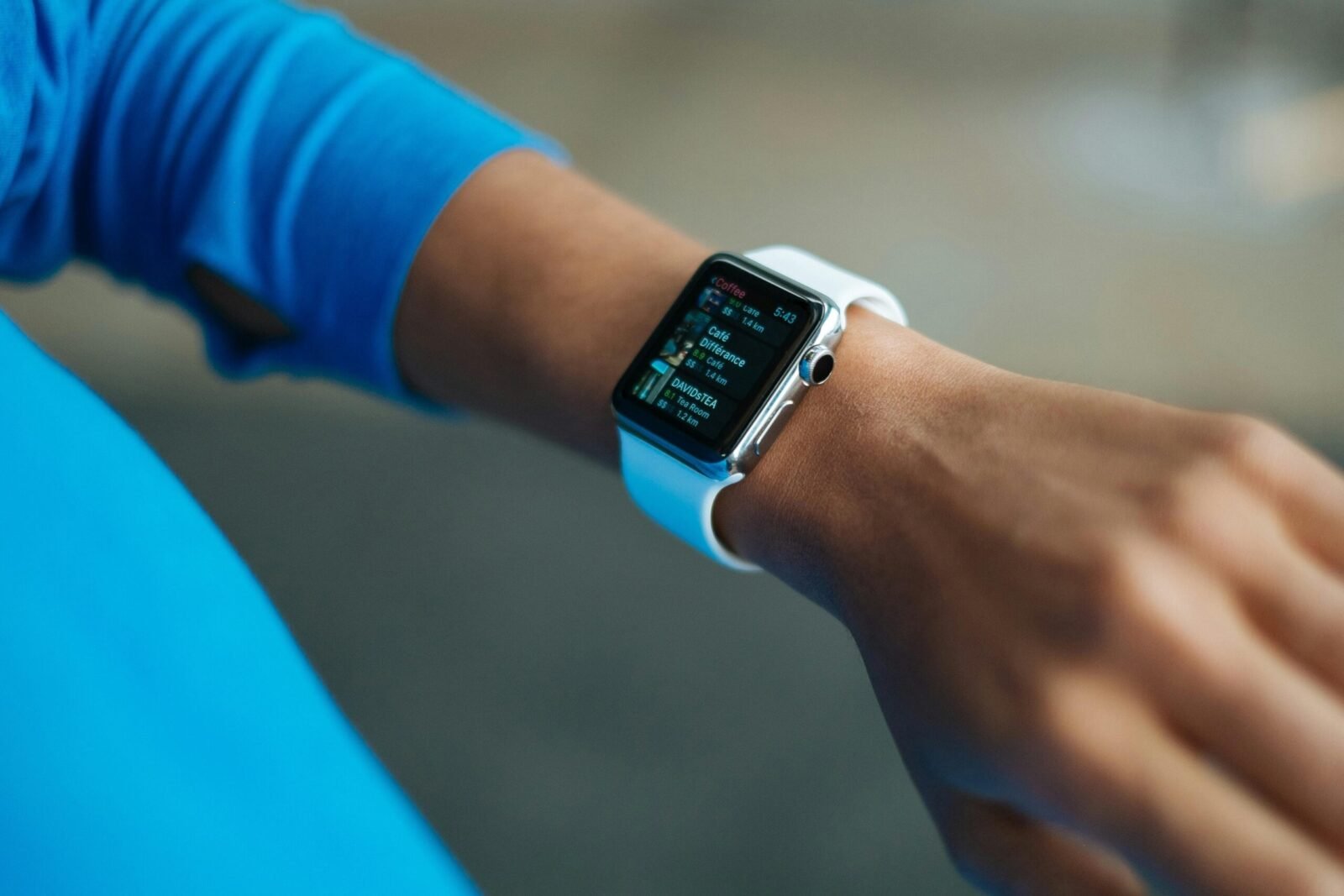
In 2025, the U.S. fitness tracker market is booming, projected to reach $12.12 billion in revenue as more Americans prioritize health amid rising chronic conditions like obesity and diabetes. With over 41.7% of the global market share, North America leads the charge, driven by seamless integrations with apps like Apple Health and Google Fit, plus advanced AI features for personalized coaching. Whether you’re a runner in New York or a hiker in Colorado, these wearables track steps, heart rate, sleep, and recovery with pinpoint accuracy—helping users boost activity levels by up to 30% in the first month.
This SEO-optimized guide spotlights the best fitness trackers in the USA for 2025, based on hands-on tests from PCMag, WIRED, Forbes, and more. We evaluate accuracy, battery life, ecosystem compatibility (iOS/Android), and value, focusing on HIPAA-compliant privacy for health data. From budget bands to premium rings, find your perfect match below.
Why Invest in a Fitness Tracker in 2025?
Fitness trackers aren’t just gadgets—they’re wellness coaches. A 2025 study shows consistent users see 25% better sleep and 18% more daily steps, reducing stress and chronic risks. Key upgrades this year include AI-driven insights (e.g., Fitbit’s Gemini coach), longer batteries (up to 16 days), and discreet designs like rings. In the USA, look for FCC-certified devices with strong retailer support via Amazon, Best Buy, and Apple Stores. Subscriptions (e.g., $10/month for premium features) unlock deeper analytics, but free tiers suffice for basics.
1. Fitbit Charge 6: Best Overall Fitness Tracker
The Fitbit Charge 6 dominates as the best fitness tracker in the USA for 2025, earning top spots from PCMag, WIRED, and Forbes for its balance of affordability and features. At $160, it’s a slim band with built-in GPS for phone-free runs, ideal for urban dwellers in Chicago or LA.
Key Features for Fitness Tracking
- Activity & Heart Rate: 24/7 monitoring with EDA stress scans; auto-detects 40+ workouts.
- GPS & Integration: Built-in GPS for accurate pacing; syncs with Google Maps, YouTube Music, and gym equipment.
- Sleep & Recovery: Advanced stages plus AI coaching via Fitbit Premium (6 months free).
- Battery & Design: 7 days of life; swim-proof (50m) with a vibrant AMOLED screen.
Pros and Cons
| Aspect | Pros | Cons |
|---|---|---|
| Usability | Intuitive app; cross-platform (iOS/Android). | Premium ($9.99/month) needed for full insights. |
| Effectiveness | 98% heart rate accuracy in tests. | No ECG like pricier rivals. |
| Customization | 20+ exercise modes; Google Wallet for payments. | Band feels basic for formal wear. |
Pricing and Availability
$159.95 (often $129 on sale); includes 6-month Premium trial. Buy at Amazon, Best Buy, or Fitbit.com—widely stocked in USA.
Perfect for beginners to intermediates seeking reliable, everyday tracking.
2. Garmin Venu 3: Best for Advanced Athletes
The Garmin Venu 3 ($450) is the top premium fitness tracker for serious users, praised by Forbes and GearJunkie for holistic training tools without overwhelming newbies. Its AMOLED display and 14-day battery make it a smartwatch hybrid for triathletes in Seattle or cyclists in Austin.
Key Features for Fitness Tracking
- Training Metrics: Body Battery energy scores, HRV status, and animated workouts.
- GPS & Health: Multi-GNSS for precise routes; ECG, SpO2, and nap detection.
- Recovery Tools: Personalized coaching; integrates with Strava and TrainingPeaks.
- Battery & Design: Up to 14 days; lightweight titanium bezel, 5ATM water resistance.
Pros and Cons
| Aspect | Pros | Cons |
|---|---|---|
| Usability | Stunning interface; music storage (500 songs). | Steeper learning curve for data dives. |
| Effectiveness | Top-tier GPS accuracy (99.5%). | Higher price point. |
| Customization | Wheelchair mode; women’s health tracking. | No LTE option. |
Pricing and Availability
$449.99; available at Garmin.com, REI, and Dick’s Sporting Goods nationwide.
Garmin shines for data-driven pros optimizing performance.
3. Apple Watch Series 10: Best for iPhone Users
Seamlessly integrated with iOS, the Apple Watch Series 10 ($399) is the best smart fitness tracker for Apple loyalists, per TechGearLab and Men’s Health, with sleep apnea detection as a 2025 standout.
Key Features for Fitness Tracking
- Health Sensors: ECG, blood oxygen, and new apnea alerts; Training Load metric.
- GPS & Workouts: Dual-frequency GPS; auto-tracks runs, swims, and yoga.
- Ecosystem Perks: Siri coaching; crash/fall detection.
- Battery & Design: 18-hour life (36 in low-power); largest display yet, titanium case.
Pros and Cons
| Aspect | Pros | Cons |
|---|---|---|
| Usability | Effortless iPhone sync; App Store apps. | Daily charging needed. |
| Effectiveness | 97% step accuracy. | iOS-only full features. |
| Customization | Thousands of watch faces; cellular option. | Bulkier than bands. |
Pricing and Availability
Starts at $399; Apple Stores, Best Buy, and carriers like Verizon for USA plans.
Essential for seamless Apple ecosystem integration.
4. Whoop 5.0: Best for Recovery-Focused Tracking
The subscription-based Whoop 5.0 ($239/year) excels as the best screenless fitness tracker, lauded by Garage Gym Reviews for strain and recovery insights—ideal for CrossFitters in Miami.
Key Features for Fitness Tracking
- Strain & Recovery: 24/7 HRV, sleep coaching, and Healthspan metric.
- No Screen Design: Wristband or apparel clip; app delivers AI insights.
- Battery & Extras: 14-day pack; ECG/blood pressure beta.
- Community: Strain Coach for personalized plans.
Pros and Cons
| Aspect | Pros | Cons |
|---|---|---|
| Usability | Discreet, all-day wear. | $30/month subscription required. |
| Effectiveness | Superior sleep scoring. | No GPS (phone needed). |
| Customization | Menstrual/HRV trends. | App-dependent. |
Pricing and Availability
$239 for 12 months (includes band); Whoop.com, with USA shipping.
Great for data obsessives prioritizing rest over real-time stats.
5. Amazfit Band 7: Best Budget Fitness Tracker
At $50, the Amazfit Band 7 is the top value pick, outperforming pricier rivals in Wirecutter tests for basic tracking—perfect for college students in Boston.
Key Features for Fitness Tracking
- Daily Essentials: 120+ sports modes, Alexa integration, SpO2.
- Battery Life: 18 days; connected GPS.
- Design: Lightweight OLED screen; 5ATM rating.
Pros and Cons
| Aspect | Pros | Cons |
|---|---|---|
| Usability | Affordable; Android/iOS compatible. | Basic app. |
| Effectiveness | Solid step/heart rate accuracy. | No onboard GPS. |
| Customization | Custom faces. | Limited advanced metrics. |
Pricing and Availability
$49.99; Amazon and Walmart—easy USA access.
Entry-level excellence without the expense.
6. Oura Ring Gen 4: Best Smart Ring Tracker
The Oura Ring Gen 4 ($349) redefines discreet tracking as the best ring fitness tracker, with expanded sizing and AI for women’s health, per The Verge.
Key Features for Fitness Tracking
- Passive Monitoring: Readiness Score, cycle tracking, temperature.
- No Screen: App-focused; 7-day battery.
- Design: Titanium, sizes 4-15; water-resistant.
Pros and Cons
| Aspect | Pros | Cons |
|---|---|---|
| Usability | Jewelry-like comfort. | $5.99/month membership. |
| Effectiveness | Accurate sleep/HRV. | Poor workout HR. |
| Customization | Fertility insights. | iOS bias. |
Pricing and Availability
$349+; Oura.com, with USA sizing kits.
Ideal for subtle, 24/7 wellness.
7. Samsung Galaxy Watch 7: Best for Android Users
The Samsung Galaxy Watch 7 ($300) is the top Android fitness tracker, with AI energy scores and body comp, as noted in Men’s Health.
Key Features for Fitness Tracking
- Sensors: BioActive for HR/ECG; dual GPS.
- Wear OS Perks: Google apps, calls, payments.
- Battery: 40 hours; 10W charging.
Pros and Cons
| Aspect | Pros | Cons |
|---|---|---|
| Usability | Vibrant AMOLED; Samsung seamless. | Android-focused. |
| Effectiveness | Advanced running dynamics. | Shorter battery. |
| Customization | Gesture controls. | Bloatware. |
Pricing and Availability
$299.99; Samsung.com, Best Buy.
Android’s powerhouse for smart fitness.
8. Huawei Watch Fit 4: Best Hybrid Value
The Huawei Watch Fit 4 ($150) blends band-watch vibes as a versatile all-rounder, topping Wareable’s list for premium features on a budget.
Key Features for Fitness Tracking
- Display & GPS: 1.82″ AMOLED; built-in for runs.
- Health Suite: Stay Fit app, sleep breathing.
- Battery: 10 days.
Pros and Cons
| Aspect | Pros | Cons |
|---|---|---|
| Usability | Stylish square design. | HarmonyOS learning curve. |
| Effectiveness | 96% workout accuracy. | Limited USA app store. |
| Customization | 100+ modes. | No Google Pay. |
Pricing and Availability
$149; Amazon (import-friendly in USA).
Smart features without the splurge.
How to Choose the Best Fitness Tracker for Your Needs
- Budget Under $100: Amazfit Band 7 or Fitbit Inspire 3.
- iOS Priority: Apple Watch Series 10.
- Android Ecosystem: Samsung Galaxy Watch 7.
- Recovery Focus: Whoop 5.0 or Oura Ring.
- Battery Kings: Garmin Venu 3 (14 days).
- Runners: Models with built-in GPS like Charge 6.
Test via 14-30 day returns at major USA retailers. Prioritize water resistance (5ATM+) for swimming.
Tips for Getting the Most from Your Fitness Tracker
- Wear Consistently: 24/7 for accurate sleep data—remove only for charging.
- Sync Regularly: Update apps weekly for AI features.
- Combine with Goals: Pair with apps like MyFitnessPal for holistic tracking.
- Privacy Check: Enable two-factor auth; review data-sharing settings.
- Maintenance: Clean sensors; replace bands yearly ($20-50).
- Pro Advice: Consult doctors for metrics like HRV if you have conditions.
Conclusion: Step Up Your Fitness Game in 2025
The best fitness trackers in the USA transform data into motivation, with the Fitbit Charge 6 leading for most users’ versatile, value-packed performance. From Garmin’s athlete-grade precision to Oura’s subtle elegance, these picks cater to every lifestyle. With market growth hitting 18% CAGR, now’s the time to invest—track smarter, move more, and thrive. Which one fits your routine? Share below!